
The Solomon Islands: A Journey Into the "Hapi Isles"
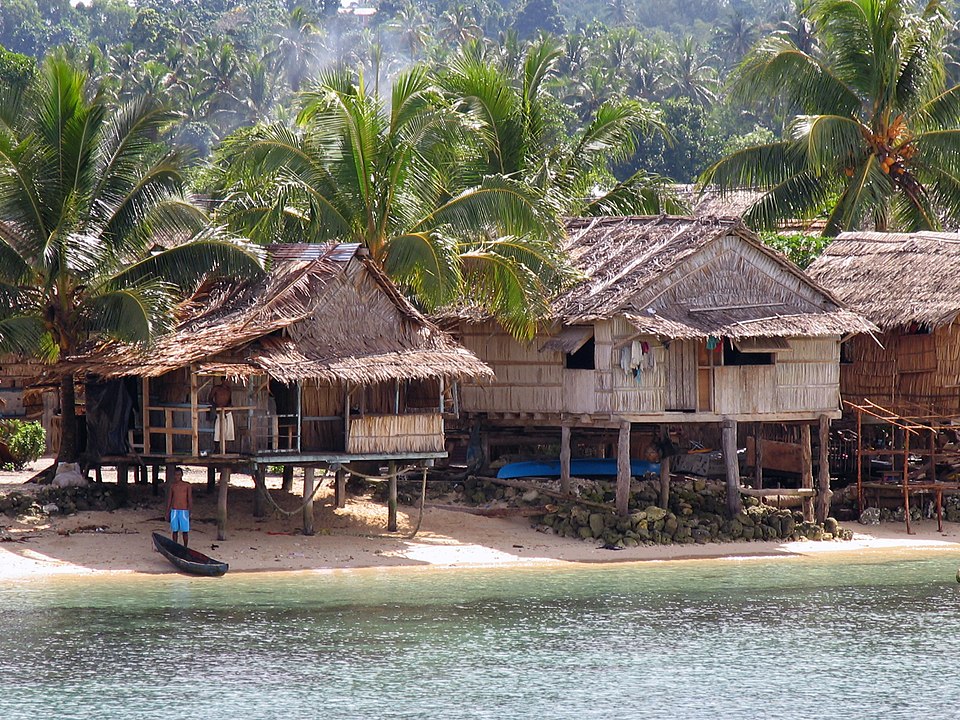
Source: By Irene Scott/AusAID, CC BY 2.0
While many travelers flock to the over-polished resorts of the broader Pacific, the Solomon Islands—affectionately known as the "Hapi Isles"—remain a sanctuary for the truly curious. Comprising nearly 1,000 islands scattered across the South Pacific, this archipelago is a place where the landscape is as dramatic as its history. From the rust-covered relics of World War II to the world’s largest saltwater lagoon, a journey here is less of a vacation and more of an expedition into one of the most biodiverse and culturally rich regions on Earth.
1. Honiara: A Gateway Through History
Your journey will likely begin on the island of Guadalcanal in the capital, Honiara. While it serves as the nation’s hub, Honiara is effectively a living museum. The island was the site of one of the most turning-point campaigns of World War II, and the remnants of that era are still visible today.
- Vilu Military Museum: This open-air museum is a hauntingly beautiful collection of American and Japanese aircraft, artillery, and machinery, all partially reclaimed by the emerald jungle.
- Skyline Ridge: For a moment of reflection, visit the American and Japanese War Memorials. Perched on a ridge overlooking "Iron Bottom Sound"—so named for the dozens of ships and planes resting on the seafloor—these sites offer panoramic views of the coast.
- Honiara Central Market: To see the modern heart of the Solomons, wander through the stalls of the central market. It is a sensory explosion of tropical fruits, handmade shell money, and intricately woven baskets.
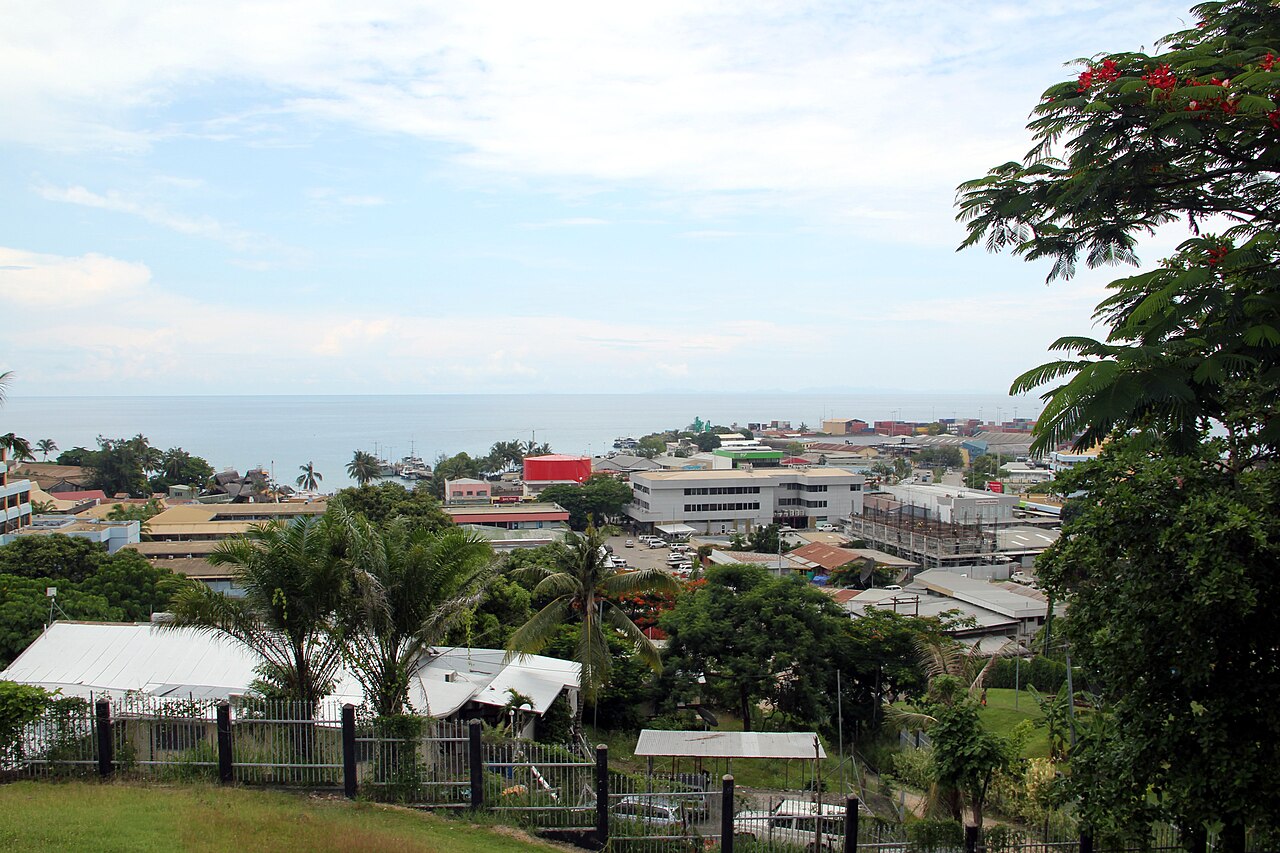
- Source- By Kahunapule Michael Johnson - Honiara View, CC BY-SA 2.0
2. Marine Magic: Marovo and Munda
Once you leave the main island, the true scale of the Solomons begins to reveal itself. The Western Province is the crown jewel for those who prefer the ocean to the asphalt.
- Marovo Lagoon: This is the largest saltwater lagoon in the world, and it is a UNESCO-worthy masterpiece. Scattered with hundreds of tiny, palm-fringed islets, the lagoon is home to small eco-lodges built directly over the turquoise water.
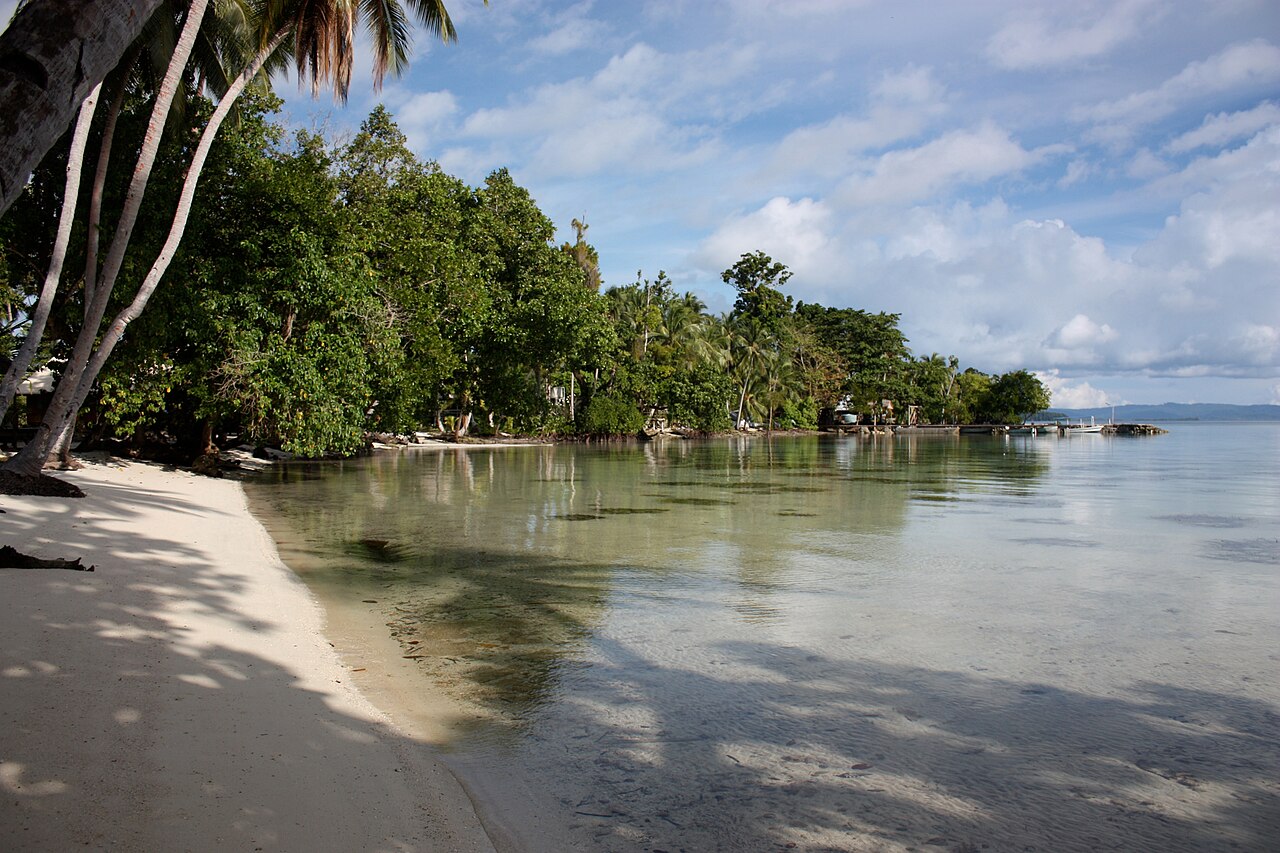
- Source- Xplore Dive from Mooloolaba, Australia, CC BY 2.0, via Wikimedia Commons
- Njari Island: Divers and snorkelers will find their personal paradise here. Njari is renowned for having one of the highest counts of fish species ever recorded in a single dive. The coral gardens are pristine, teeming with reef sharks, rays, and clouds of vibrant tropical fish.
- Skull Island: For a glimpse into the archipelago’s ancient past, take a short boat ride from Munda to this small, sacred site. It houses the remains of ancient chiefs from the era of headhunting, offering a powerful look at the "kastom" (customary) history of the islands.
3. The Modern Explorer: The Need for an eSIM
Navigating the Solomon Islands presents a unique set of logistical challenges. This is not a place of high-speed rail and universal Wi-Fi; it is a place of small planes, motorized canoes, and remote village stays. To maintain your independence and safety, staying connected is a practical necessity.
The Logistics of the Pacific Traveling between islands involves coordinating domestic flights and private boat transfers. Schedules in the Pacific can be fluid, and having a reliable data connection allows you to coordinate with local guides and eco-lodges in real-time. Whether you are checking weather conditions for a crossing to Gizo or looking up the "kastom" fees for a specific beach, having a live connection is vital.
The Seamless Solution Rather than hunting for a physical card at the airport or dealing with the astronomical roaming fees of an international plan, securing a regional or local eSIM is the most efficient choice. An eSIM allows you to activate a data plan the moment you land, giving you instant access to navigation tools and emergency contacts. In a country where the nearest infrastructure might be a two-hour boat ride away, having that digital lifeline in your pocket is more than just a convenience—it’s a safety essential.
4. Island Tastes: Root Crops and Reef Fish
Cuisine in the Solomon Islands is a celebration of the "garden and the sea." The diet is fundamentally healthy, relying on fresh, whole ingredients harvested from family plots and local reefs.
- Root Crops: Cassava, sweet potato, and taro are the pillars of every meal. They are often boiled, roasted, and served alongside savory dishes.
- Reef Fish: The seafood here is as fresh as it gets. Reef fish is typically grilled whole over an open flame, often brushed with coconut milk or wrapped in banana leaves to keep the meat tender and fragrant.
- Cassava Pudding: For a unique local treat, try this savory-sweet dish made from grated cassava and sweet potato mixed with rich coconut milk and baked in an earth oven.
- Tropical Abundance: You will find an incredible variety of fruits that taste nothing like their supermarket counterparts back home—bush limes, pineapples, guavas, and the sweetest papayas you’ve ever encountered.
5. The "Kastom" Way: Etiquette and Respect
The Solomon Islands are governed by "kastom"—the traditional beliefs and social structures that vary from island to island. Understanding local etiquette is the key to a meaningful experience.
- Land Ownership: Almost all land and reef area in the Solomons is privately owned by local tribes. If you want to hike a trail or snorkel a particular reef, always ask for permission. You may be asked to pay a small "kastom fee" (usually a few dollars), which goes directly to the local community.
- Modesty: While beachwear is standard at resorts, it is respectful to dress modestly when visiting villages or walking through town. Covering the shoulders and knees is the standard practice.
- Photography: Solomon Islanders are incredibly friendly, but it is essential to ask for permission before taking a photo of a person or a village site. A simple smile and an ask will almost always be met with a "Yes."
Why the Solomons?
The Solomon Islands are a destination for the traveler who doesn't mind a bit of humidity in exchange for a view of a prehistoric jungle or a reef that hasn't seen a crowd in years. It is a place of quiet pride, spectacular natural wealth, and a pace of life that allows you to actually hear yourself think. By preparing your logistics early and securing your digital connection, you are ready to witness the spectacular soul of the Pacific.