
Sudan: The Land of Hidden Pyramids and Timeless Sands
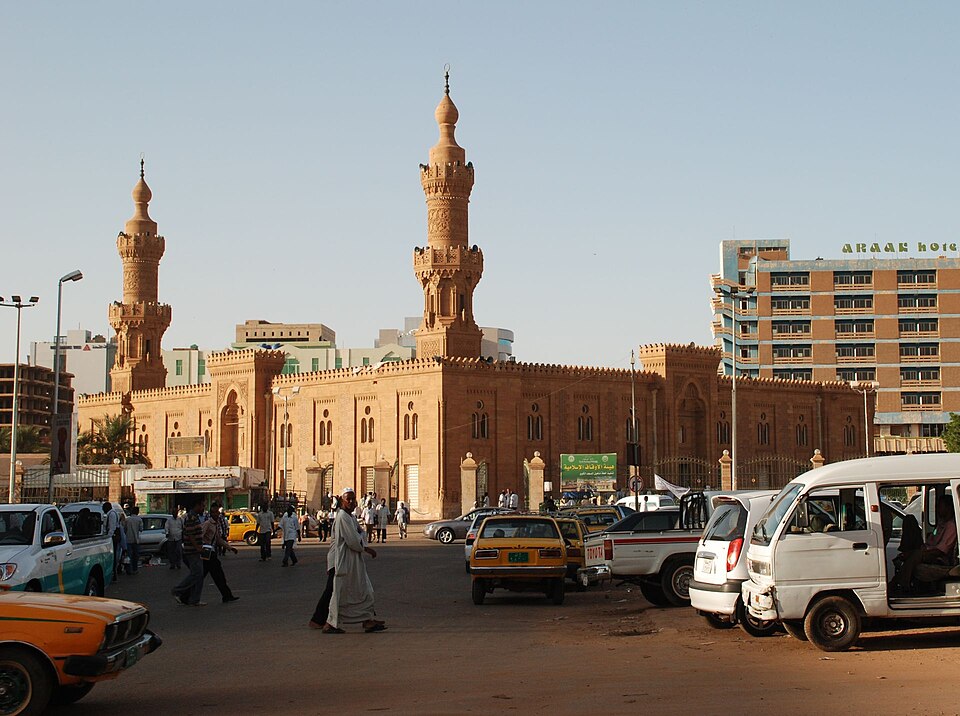
When most people think of pyramids, their minds immediately drift to the Giza plateau. But for the intrepid traveler looking for a deeper, more silent connection to the ancient world, the real magic lies further south. Sudan is home to more pyramids than Egypt—over 200 of them—standing as stoic, sharply angled sentinels in a sea of orange dunes.
In 2026, traveling to Sudan is a journey of extreme contrast. It is a land of profound historical grandeur and a resilient, hospitable population, currently set against a backdrop of significant transition. While much of the country remains off-limits to casual tourism due to ongoing regional volatility, the northern archaeological circuits and the Red Sea coast remain the focus of those following the "Nubian Heart" trail.
1. The Royal Necropolis of Meroë
The defining image of Sudan is the Royal Cemetery of Meroë. Located about 200 kilometers north of Khartoum, this UNESCO World Heritage site was once the heart of the Kingdom of Kush, a superpower that once ruled the entire Nile Valley.
- The Spiky Silhouettes: Unlike the broad Egyptian pyramids, Meroitic pyramids are narrow and steep. Clustered in groups across the desert, they mark the final resting places of kings and queens who outlived the Egyptian empire by centuries.
- The Chapel Facades: At the base of many pyramids, you can still see carved reliefs depicting royal ceremonies and the elusive Meroitic script—a writing system that scholars are still working to fully decipher.
- The Solitude: Perhaps the most striking aspect of Meroë is the silence. You won't find the throngs of tourists or aggressive vendors here. You are often alone with the wind and the sand, standing in the presence of an empire that once spanned from the Mediterranean to the heart of Africa.
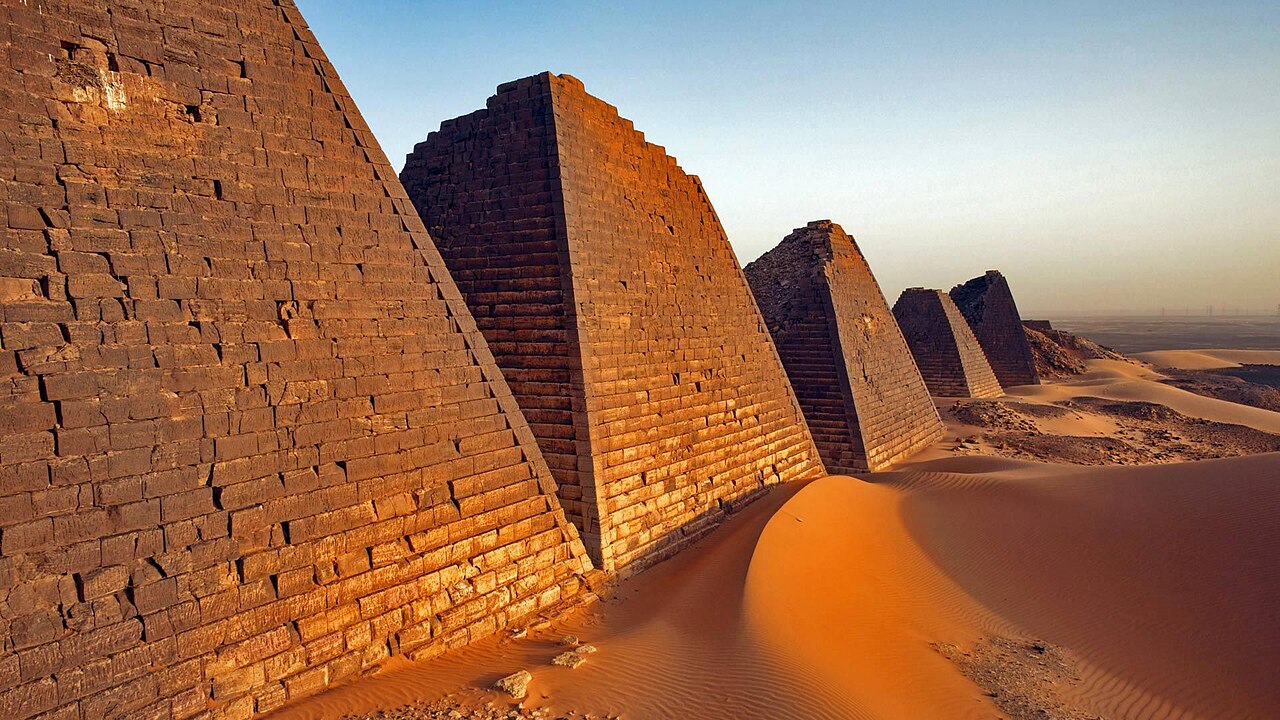
- Source- By Chubbyrump - Own work, CC BY-SA 4.0
2. Jebel Barkal: The Holy Mountain
Further north, near the town of Karima, lies Jebel Barkal, a red sandstone mesa that stands isolated in the desert.
- The God Amun: Ancient Egyptians and Kushites alike believed this mountain was the residence of the god Amun. At its base lie the ruins of the massive Temple of Amun and the Temple of Mut, which is carved directly into the rock face.
- Sunset Climbs: It has become a local tradition to climb the flat-topped mountain in the late afternoon. Standing on the edge as the sun dips below the horizon, casting a golden light over the winding Nile and the pyramids of Napata below, is a spiritual experience for locals and visitors alike.
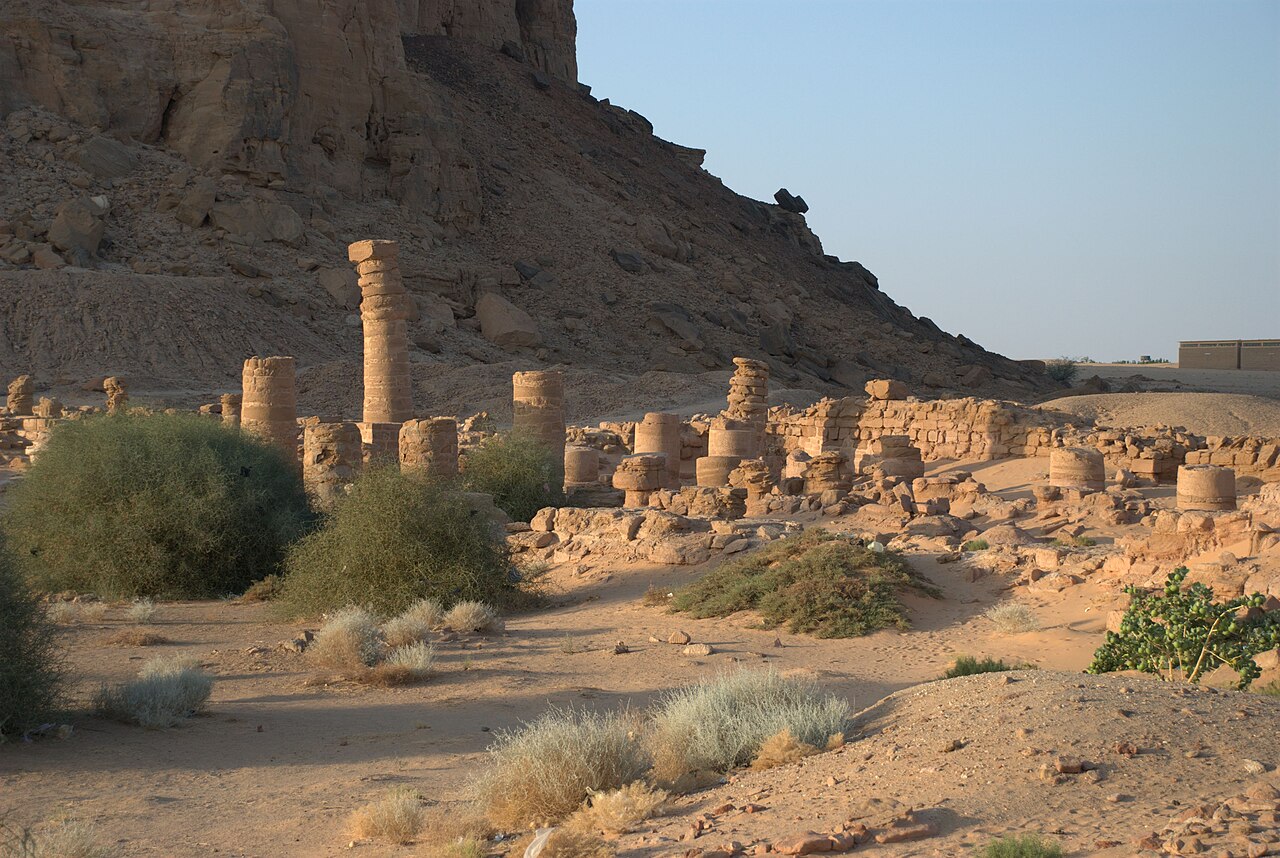
- Source- By Bertramz - Own work, CC BY 3.0
3. The Digital Lifeline: Why You Need an eSIM
Navigating Sudan in 2026 requires a high degree of self-reliance. Infrastructure has been heavily impacted by recent years of conflict, and the communication landscape is in a state of constant flux.
The Logistics Challenge Traditional physical SIM cards can be difficult to acquire upon arrival. Registration often involves navigating complex government offices or finding specialized kiosks that may not be operational. Furthermore, with recent 2026 updates to telecommunications regulations, some satellite-based services have faced restrictions, making local cellular data your primary link to the outside world.
The Solution: The Pre-Travel eSIM To ensure you aren't left in a "blackout" zone the moment you arrive, provisioning a Sudan-compatible eSIM before your departure is a non-negotiable safety essential.
- Instant Access: An eSIM allows you to activate a local data plan the moment you land at Port Sudan or cross a border.
- Safety and Navigation: In a landscape where road signs are rare and GPS is your best friend for desert transit, having a constant data connection is vital. It allows you to track your location, receive real-time security alerts, and coordinate with local guides who are managing the complex permit systems required for travel outside the major hubs.
4. Culture and the "Tea Ladies" of Sudan
Sudanese culture is built on the foundation of Teranga (hospitality). Despite the challenges the country faces, the warmth of the people remains its greatest asset.
- The Street-Side Cafe: One of the most enduring cultural institutions is the "Tea Lady." Across the north, you will find women sitting on low stools with charcoal braziers, serving aromatic Sudanese coffee (Jabana) spiced with ginger and cinnamon, or sweet hibiscus tea (Karkade). Sitting for a cup is the best way to understand the local rhythm.
- Modesty and Tradition: Sudan is a conservative society that adheres strictly to Islamic customs. Both men and women should dress modestly—loose clothing covering arms and legs is standard. For women, carrying a light headscarf is respectful and often practical for protection against the sun and sand.
- Photography: Always ask for permission before taking photos, especially of people or government infrastructure. In 2026, photography permits are strictly enforced to ensure the security of both the traveler and the locals.
5. A Taste of the Nile
Sudanese cuisine is a reflection of the desert—simple, sustaining, and designed for sharing.
- Ful Medames: The staple of every Sudanese breakfast. These are slow-cooked fava beans mashed with oil, garlic, and onions, often topped with a drizzle of sesame oil and served with fresh bread.
- Aseeda: A thick, savory porridge made from sorghum or wheat, typically served with a rich stew known as Mullah.
- Fresh River Fish: Along the banks of the Nile, look for fresh tilapia or Nile perch, usually seasoned with local spices and grilled over open flames.
- Dates: Sudan produces some of the finest dates in the world. They are offered as a sign of welcome everywhere you go and provide the perfect energy boost for desert trekking.
Essential Travel Logistics for 2026
- Safety First: As of February 2026, most international travel advisories recommend avoiding all travel to Sudan due to the ongoing volatile security situation. If you are a humanitarian worker or an intrepid researcher, ensure you are traveling with a certified security detail and a comprehensive insurance policy that includes medical evacuation.
- Currency: The official currency is the Sudanese Pound (SDG). However, the economy is heavily cash-based. Bring crisp, unblemished US Dollar bills (printed after 2006) to exchange at official bureaus.
- Permits: You will need a permit for travel outside the capital and a separate permit for photography. Your eSIM will be invaluable for coordinating these with your local sponsor.
Why Look to the Future?
Sudan is a country of "what could be." It is a land of immense historical importance and a people whose resilience is unmatched. While it remains a destination for only the most experienced travelers in 2026, the pyramids of Meroë continue to stand, waiting for the day they can once again be shared with the world.