
South Korea: A Symphony of High-Tech Neon and Ancient Calm
Source: By Joon Kyu Park, CC BY-SA 3.0
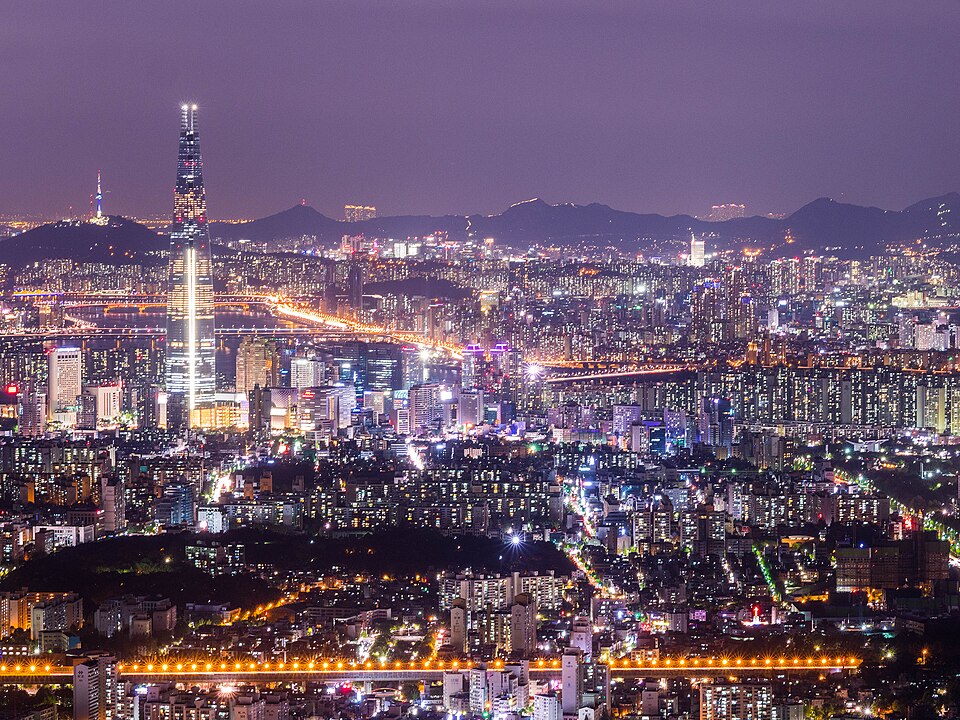
South Korea is a land of beautiful contradictions. It is a place where a thousand-year-old temple can sit in the shadow of a glass skyscraper, and where the rhythmic chanting of monks competes with the vibrant energy of a digital metropolis. For the modern traveler, it offers a rare opportunity to step between eras in a single afternoon.
From the misty peaks of the mountains to the neon-lit streets of the capital, the country is defined by "Jeong"—a deep sense of social connection and hospitality. Here is a guide to navigating this spectacular peninsula.
1. Seoul: The Living Museum
The journey almost inevitably begins in Seoul, a city that never truly sleeps but always finds time for tradition.
- Gyeongbokgung Palace: This is the heart of the Joseon Dynasty. The "Greatly Blessed by Heaven" palace is a sprawling complex of stone pavilions and lotus ponds. To truly immerse yourself, visit one of the nearby rental shops to don a Hanbok (traditional attire). Doing so not only makes for incredible photography against the ornate architecture but also grants you free admission to the palace grounds.
- Bukchon Hanok Village: A short walk from the palace leads you to a preserved neighborhood of traditional wooden houses. These homes, with their curved tiled roofs and stone walls, are still inhabited today. It is a quiet, uphill walk that offers a glimpse into the architectural soul of old Seoul.
- N Seoul Tower: For a bird’s-eye view, head to the top of Namsan Mountain. The tower offers a 360-degree panorama of the city. It is particularly striking at sunset when the city lights begin to flicker on like a carpet of diamonds. The "Love Locks" area at the base of the tower is a colorful testament to the city's romantic side.
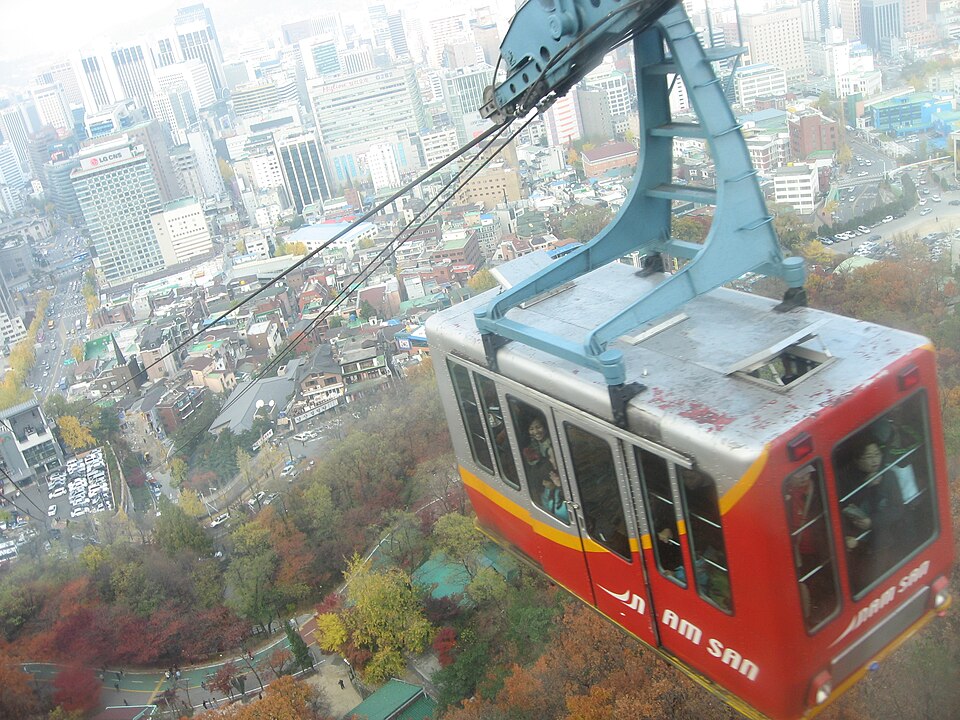
- The Namsan cable car, which leads up to the N Seoul Tower. Source- By Andrew Bell, CC BY 2.0
2. The Digital Compass: Why an eSIM is Vital
South Korea is one of the most connected nations on Earth. While this makes travel incredibly efficient, it also means that many essential services—from public transit apps to real-time translation—require a stable data connection.
The Logistics Challenge
- Navigating the Grid: While the subway systems in Seoul and Busan are world-class, they are also vast. Real-time navigation is essential to find the correct exits and transfer points. Furthermore, many of the best hidden cafes and artisan shops are located in narrow alleys that require precise GPS to locate.
- Digital Entry and Safety: Modern travel requirements have shifted toward digital declarations. You will likely need to complete an electronic arrival card before you land. Having a data connection ensures you can pull up your confirmation QR codes and health declarations the moment you reach immigration.
The Solution: The eSIM The most seamless way to stay connected is to provision a local data plan via an eSIM before you arrive.
The Benefit: An eSIM allows you to activate a local connection the second you touch down at Incheon International Airport. It ensures your maps are live, your communication with your accommodation is instant, and you can use real-time translation tools at local markets. It bypasses the need to hunt for physical cards or wait in lines, allowing you to move with total confidence.
3. Coastal Majesty: Busan and Jeju
Beyond the capital, the landscape shifts toward the dramatic coastlines of the south and the volcanic beauty of the islands.
- Busan: This port city offers a more relaxed, maritime energy. Haeundae Beach is a pristine stretch of sand lined with modern skyscrapers. For a burst of color, visit the Gamcheon Culture Village, often called the "Machu Picchu of the East." This former hillside slum was transformed into an art district with brightly painted houses and narrow, winding stairs.
- Jeju Island: A short flight from the mainland takes you to Korea's "Island of the Gods." Jeju is a volcanic wonderland dominated by Hallasan, the country's highest peak. Explore the Manjanggul Cave, one of the finest lava tunnels in the world, or visit the lush Green Tea Plantations of O’sulloc for a peaceful afternoon among the emerald fields.
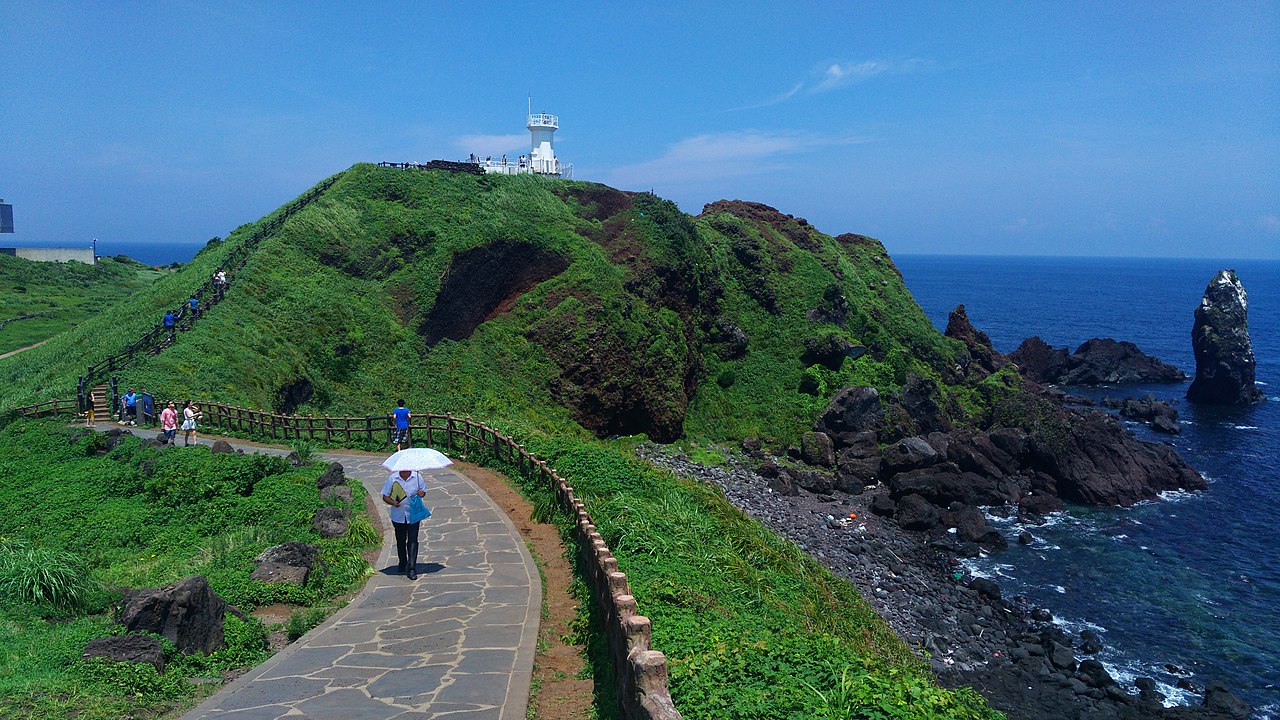
- Source- By song songroov, CC BY 3.0
4. A Taste of Tradition
Korean cuisine is a masterclass in balance, focusing on the five colors (white, black, yellow, red, and green) to ensure a healthy and visually stunning meal.
- Bibimbap: This iconic dish is a bowl of warm rice topped with an array of sautéed vegetables, beef, and a fried egg, finished with a dollop of spicy chili paste. It is a harmonious blend of textures and flavors.
- Bulgogi: Thinly sliced beef marinated in a sweet and savory blend of soy sauce, sesame oil, and pear juice, then grilled to perfection. It is often wrapped in fresh lettuce leaves with a bit of garlic.
- Japchae: Savory glass noodles made from sweet potato starch, stir-fried with colorful vegetables and strips of beef. It is light, fragrant, and a staple of festive gatherings.
- Tteokbokki: Chewy rice cakes simmered in a vibrant, spicy sauce. This is the quintessential street food of Korea, offering a perfect balance of heat and sweetness.
- The Banchan Experience: Every meal is accompanied by banchan—an assortment of small side dishes. From the famous fermented cabbage known as Kimchi to seasoned spinach and marinated bean sprouts, these dishes are meant to be shared and provide a different flavor profile with every bite.
5. Essential Travel Tips
- The Currency: The official currency is the South Korean Won (KRW). While cards are accepted almost everywhere, you will need cash for the T-Money card (used for transit) and for some smaller street food stalls.
- Safety: South Korea is consistently ranked as one of the safest countries in the world for travelers. Even late at night, the streets are well-lit and active.
- Etiquette: When paying for items or receiving change, it is a sign of respect to use both hands. Additionally, remember to remove your shoes when entering traditional houses or some specialized restaurants.
- Transport: The KTX (high-speed train) is the best way to travel between major cities like Seoul and Busan, reaching speeds of up to 300 km/h.
Why Visit Now?
South Korea is a destination that rewards curiosity. It is a place that feels familiar through its global cultural exports, yet entirely unique once you step into its quiet temples and bustling markets. By preparing your digital logistics early with an eSIM and arriving with a spirit of adventure, you are ready to witness the spectacular harmony of the peninsula for yourself.