
Slovakia: Central Europe’s Hidden Alpine Heart
Source: Britannica
Slovakia has moved from being a "hidden gem" to a must-visit destination for travelers who value raw natural beauty and impeccably preserved history over the crowded tourist traps of Western Europe. This landlocked nation, nestled in the geographic center of the continent, offers a staggering density of UNESCO World Heritage sites, dramatic peaks, and fairy-tale fortresses that feel like they’ve been pulled directly from a storybook.
Whether you are navigating the winding cobblestones of Bratislava’s Old Town or scaling the iron ladders of a limestone gorge in Slovak Paradise, Slovakia is a place that rewards the prepared explorer. Here is your factual, grounded guide to the best of the Slovak Republic.
1. Bratislava: The Riverside Capital
Your journey will likely begin in Bratislava, a city that uniquely borders two other sovereign nations (Austria and Hungary). It is a city of "human scale"—walkable, green, and vibrant.
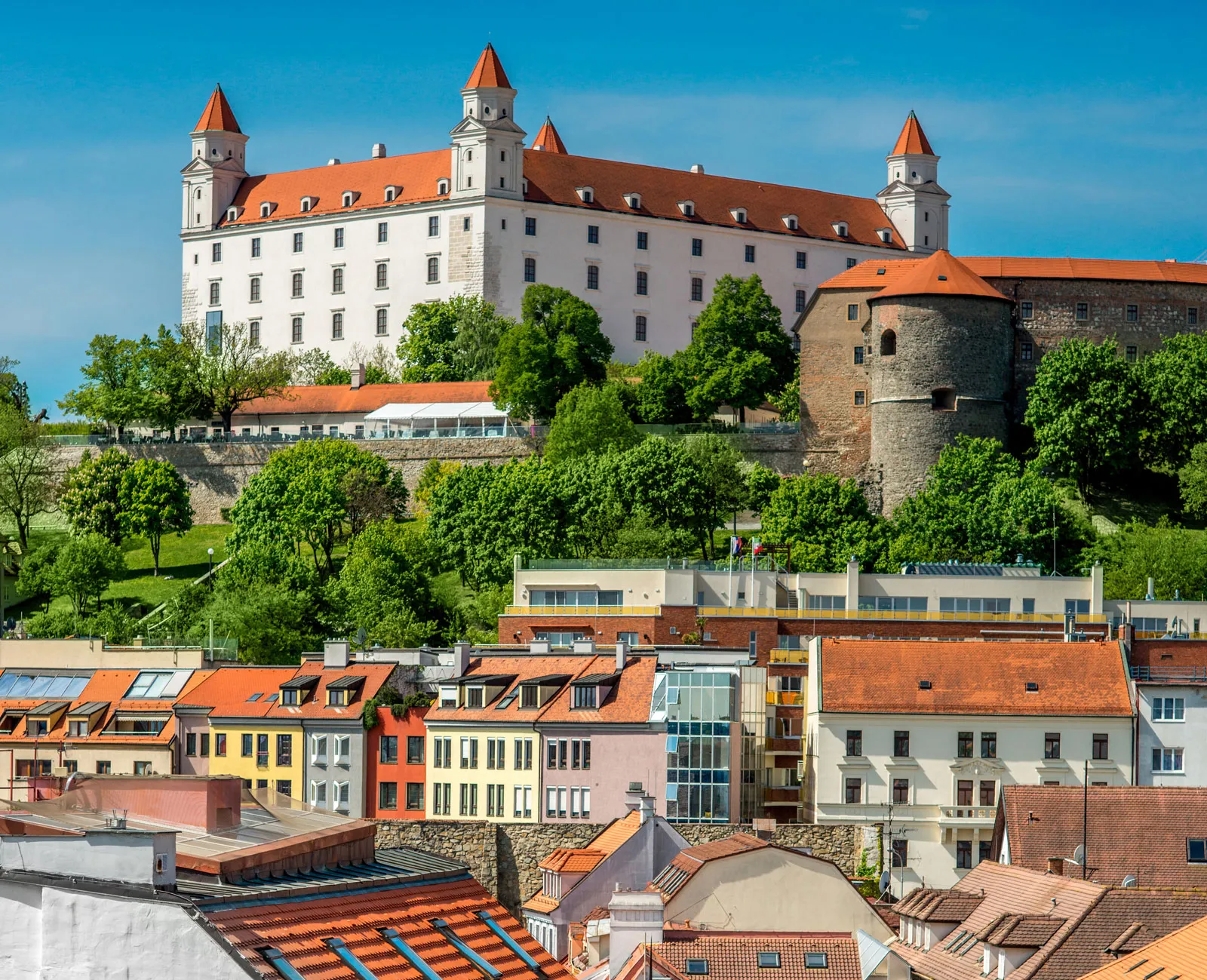
- Bratislava Castle: Sitting on a rocky hill overlooking the Danube, this massive white rectangle with four corner towers is the city’s landmark. The views from the ramparts stretch across the city into the Austrian countryside.
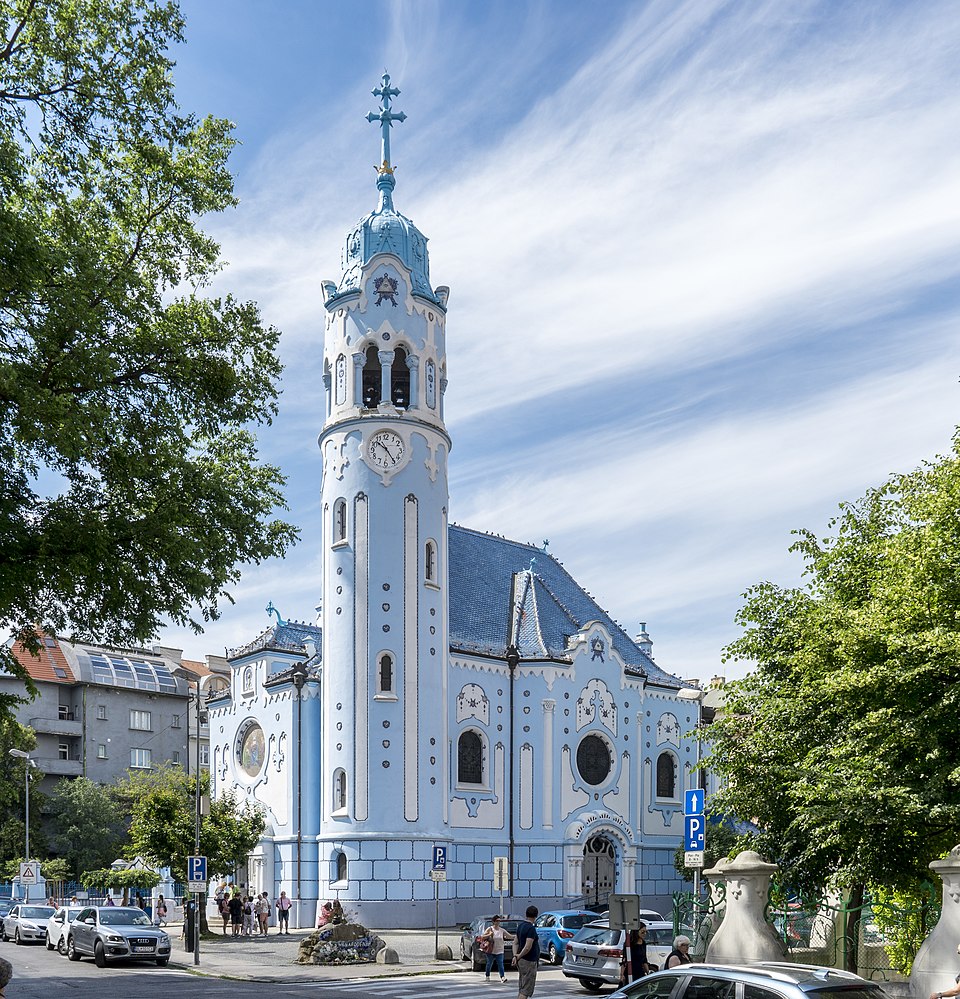
- The Blue Church (Church of St. Elizabeth): This Art Nouveau masterpiece is famous for its sky-blue exterior and interior. It looks more like a confection than a building and is one of the most photographed spots in the city.
- Source- By Thomas Ledl - Own work, CC BY-SA 4.0
- Devín Castle: A short bus or boat ride from the center brings you to these dramatic ruins perched on a high cliff at the confluence of the Danube and Morava rivers. It has served as a strategic fortress since the Roman Empire and offers a peaceful escape from the urban energy.
2. The Digital Lifeline: Why an eSIM is Vital
While Slovakia’s history is ancient, its infrastructure is futuristic. In 2026, the country is a digital leader, and staying connected is a practical necessity for safe and efficient travel.
The Logistics Challenge
- Mountain Navigation: If you are heading into the High Tatras, you will rely heavily on the Horská záchranná služba (Mountain Rescue) apps and real-time weather alerts. Mountain weather can change in minutes, and having live GPS for the trails is a safety requirement.
- Smart Transport: The Slovak rail network and Bratislava’s public transit are now almost entirely paperless. You will need a stable data connection to purchase and validate tickets via the IDS BK or ZSSK apps.
The Solution: The eSIM The most efficient move for your trip is to provision a Slovakia-compatible eSIM before you land.
The Benefit: An eSIM connects you to local 5G networks the moment you cross the border. It ensures your maps are live, your translation tools are ready, and your secure communication apps are active immediately. It avoids the hassle of physical SIM registration and ensures you aren't paying the "bill shock" rates of international roaming while navigating the high-altitude trails.
3. The High Tatras: Europe's Compact Alpine Range
The High Tatras (Vysoké Tatry) are the highest part of the Carpathian Mountains. They are often called "Europe’s most compact mountains" because all their major peaks are within walking distance of each other.
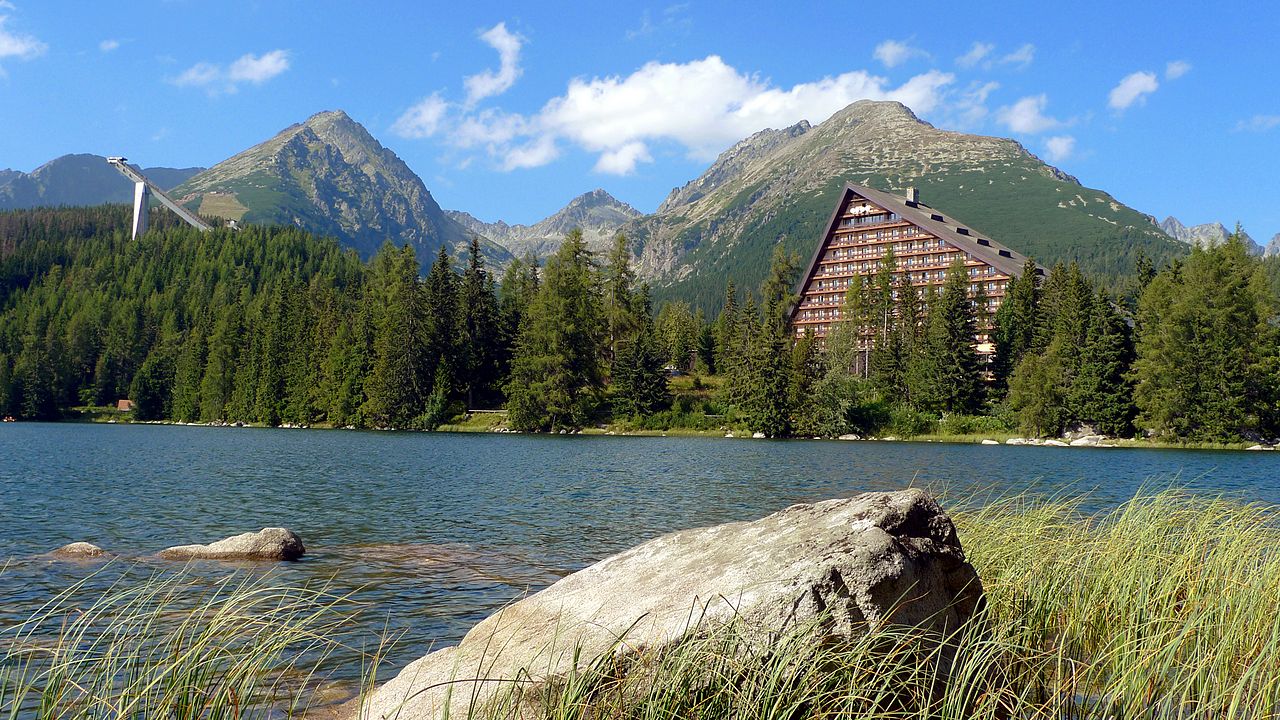
- Štrbské Pleso: This iconic glacial lake is the gateway to the mountains. It is a hub for hikers. Take the easy walk around the lake or use it as a starting point for the trek to Popradské Pleso.
- Source- Petr Vilgus, CC BY-SA 3.0, via Wikimedia Commons
- Lomnický Štít: If you aren’t a climber, you can still reach the heights. A high-altitude cable car takes you to the summit of the second-highest peak in the country. Standing on the observation deck at 2,634 meters is a truly exhilarating experience.
- Slovak Paradise (Slovenský raj): For those who love adventure, this national park is famous for its "gorge" trails. Trails like Suchá Belá feature a series of tall iron ladders, chains, and wooden platforms that take you directly over waterfalls and through narrow limestone clefts.
4. A Land of 180 Castles
Slovakia has more castles per capita than almost anywhere else on Earth.
- Spiš Castle: One of the largest castle complexes in Central Europe and a UNESCO site. Its white ruins spread across a green hill, looking out over the Spiš region like a sleeping giant.
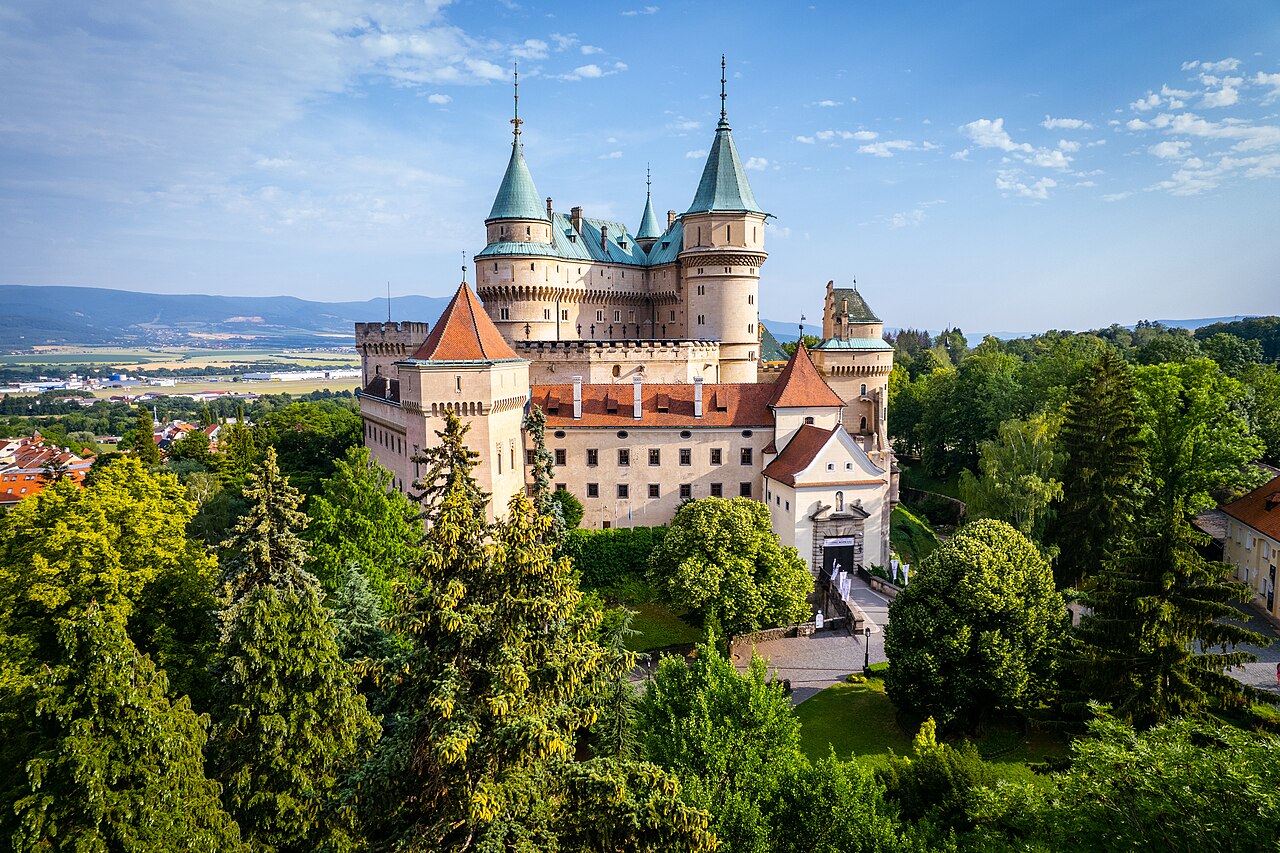
- Bojnice Castle: Often called the "Romantic Castle," this 12th-century fortress was remodeled in the 19th century to resemble a French Loire Valley château. Its blue-capped towers and surrounding park make it feel truly magical.
- Source- By Studiowacho - Own work, CC BY-SA 4.0
- Orava Castle: Perched high on a 112-meter cliff above the Orava River, this is one of the most architecturally stunning castles in Europe. It was famously used as the setting for the 1922 film Nosferatu.
5. A Taste of Slovakia
Slovak cuisine is soul-warming mountain food. It relies on fresh dairy, root vegetables, and grains. For travelers seeking beef, chicken, or vegetarian options, the local menus are exceptionally diverse.
- Bryndzové Halušky: The national dish. These are small potato dumplings (similar to gnocchi) tossed in a rich, creamy sauce made from Bryndza—a unique, sharp Slovak sheep cheese.
- Vyprážaný Syr: A beloved comfort food. It is a thick slice of cheese (usually Emmental or Edam) breaded and fried until golden and gooey. It’s traditionally served with tartar sauce and fries.
- Soups (Polievky): Slovaks are masters of soup. Try the Cesnaková polievka (Garlic soup), often served inside a hollowed-out bread bowl, or a rich tomato soup topped with cheese.
- Beef and Chicken Specialties: Look for Beef Goulash (served with bread dumplings) or Kurací rezeň (chicken schnitzel). Both are staples in every traditional Koliba (mountain restaurant).
- Kofola: Forget standard sodas—try the local "Czechoslovak" cola. It’s less sweet than its Western counterparts, with a hint of licorice and citrus, and is the perfect refreshing companion to a hearty mountain meal.
6. Essential Tips for 2026
- Currency: Slovakia uses the Euro (€). While contactless payments are common in cities, always carry small change for the mountains and public restrooms.
- Safety: Slovakia is consistently ranked as one of the safest countries in the world. However, when hiking, always stick to the marked trails (marked in red, blue, green, and yellow) to avoid disturbing the local wildlife, including brown bears.
- Transport: The train network is excellent. The "Tatra Electric Railway" connects the main mountain resorts efficiently and sustainably.
- Language: While English is widely spoken by the younger generation and in tourist areas, a simple "Ďakujem" (Thank you) goes a long way with the locals.
Why Go Now?
Slovakia offers a rare balance of high-tech efficiency and deep, rustic tradition. It is a place where you can spend your morning in a world-class cybersecurity hub in Bratislava and your afternoon in a village where people still paint their houses with traditional white symbols. By securing your digital connection with an eSIM and arriving with a spirit of adventure, you can witness the spectacular alpine soul of Europe for yourself.